
Elena Knows by Claudia Piñeiro
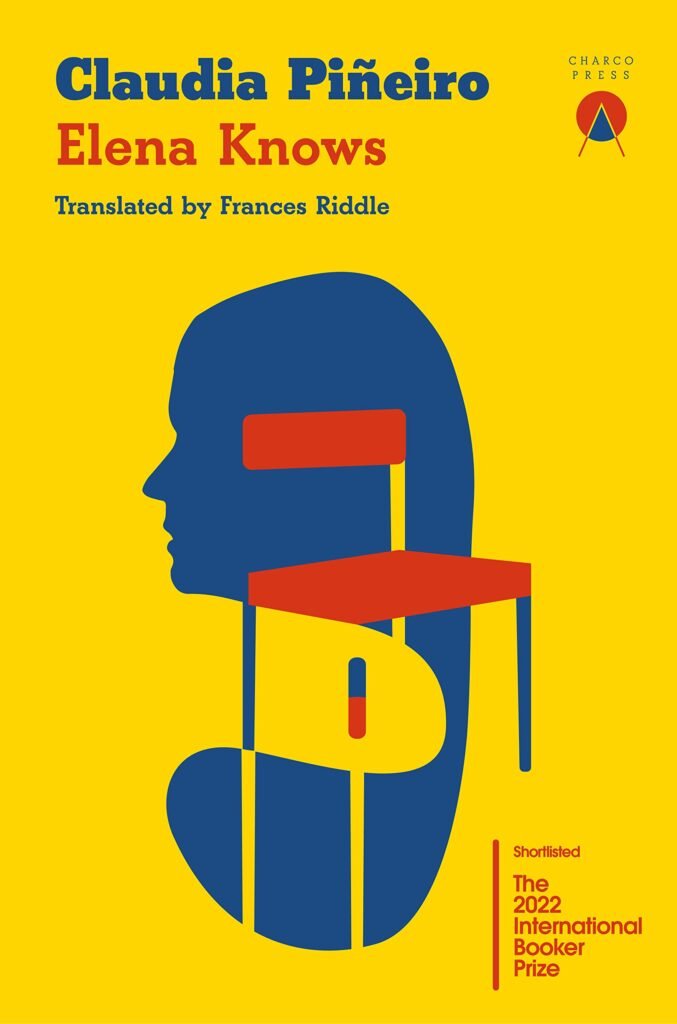
Author: Claudia Piñeiro
Translator: Frances Riddle
Genre: Literary fiction/mystery
Pages: 143
Gray Fox Rating: ★★★★☆
Shortlisted for the 2022 International Booker Prize
Elena Knows divided our book club in the best possible way. Some members admired its exploration of motherhood and autonomy, while others found Elena herself frustrating and difficult to sympathize with. Yet almost everyone agreed on one thing: this small novel raises enormous questions.
⚠️ Spoiler alert: The discussion below contains major spoilers.
What stayed with me most from Elena Knows was its portrayal of Parkinson’s. It’s not merely an illness, but something that gradually renegotiates a person’s relationship with the world. Elena’s days are measured in pills and brief windows of movement. There is always this tension between the life Elena remembers having and the life her body now permits her to have, between freedom and restriction, will and ability.
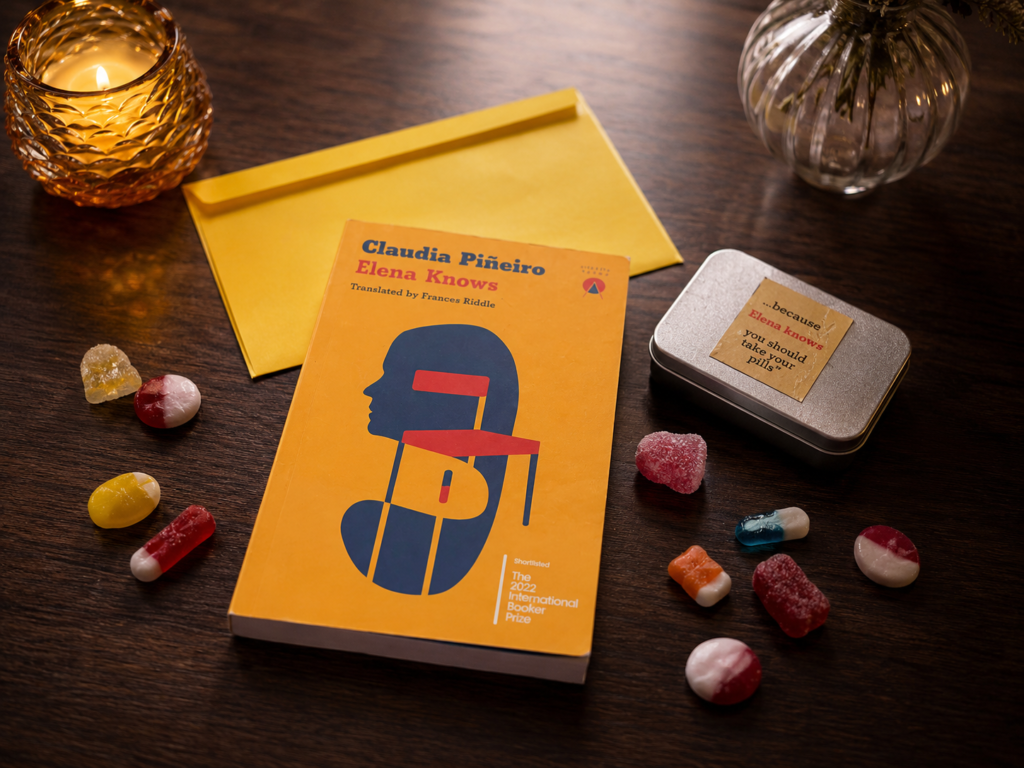

And slowly, Piñeiro extends that loss of control beyond Elena’s body. Elena is a woman of certainties. She knows her daughter. She knows what Rita believed, what she feared, what she would do, and, more importantly, what she would never do. Her insistence that Rita could not have killed herself drives the novel forward. Yet with every step of her journey, another certainty begins to unravel. The title becomes almost painfully ironic:
Elena knows, until she doesn’t.
This was perhaps the part that affected me most. I kept wondering whether Elena, somewhere beneath all that certainty, had always known that Rita had died by suicide. Her search then becomes something much sadder than an investigation: an elaborate journey towards accepting a truth she may have spent the entire novel trying not to know. What finally breaks Elena is not simply discovering what happened to Rita, but discovering how much of her daughter remained unknowable to her.
The novel also does something remarkable with the idea of control. Elena has lost autonomy over her own body, while the stories of other women raise questions about who is allowed autonomy over theirs. Motherhood, abortion, religion and the idea of sin become entangled with the authority of the state and, particularly, the Church. Piñeiro is interested not only in what we believe is morally right, but in what happens when we believe we have the right to impose that morality upon another person’s body and choices.
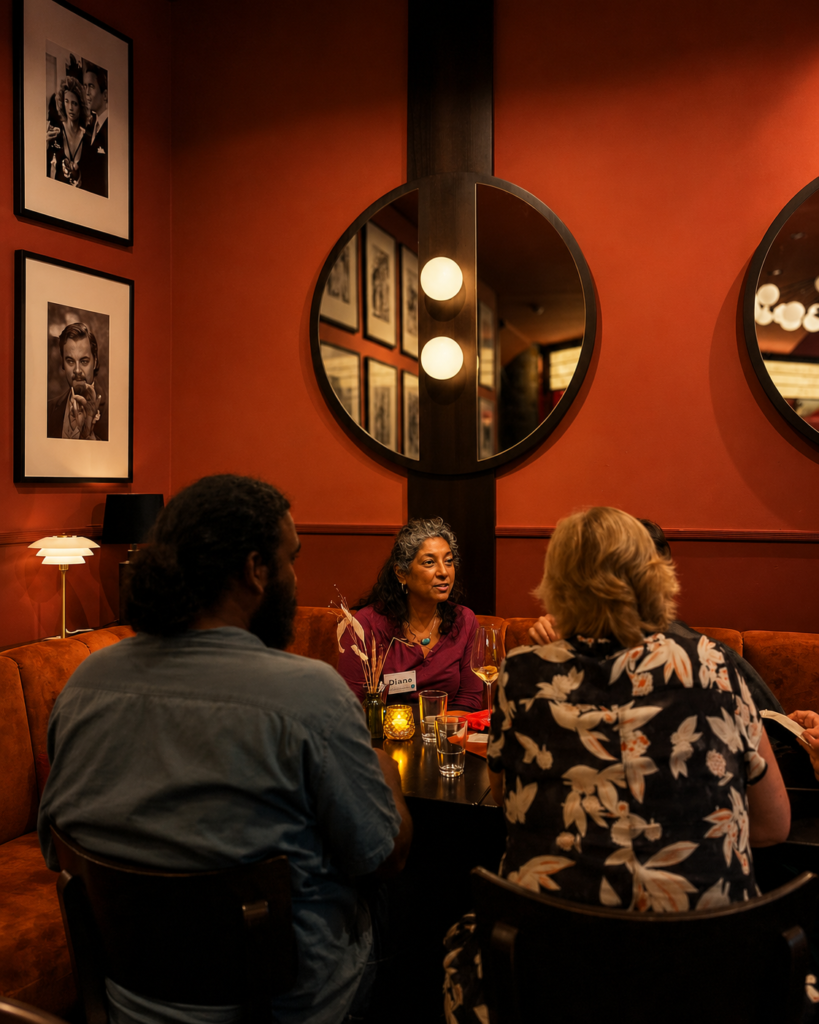
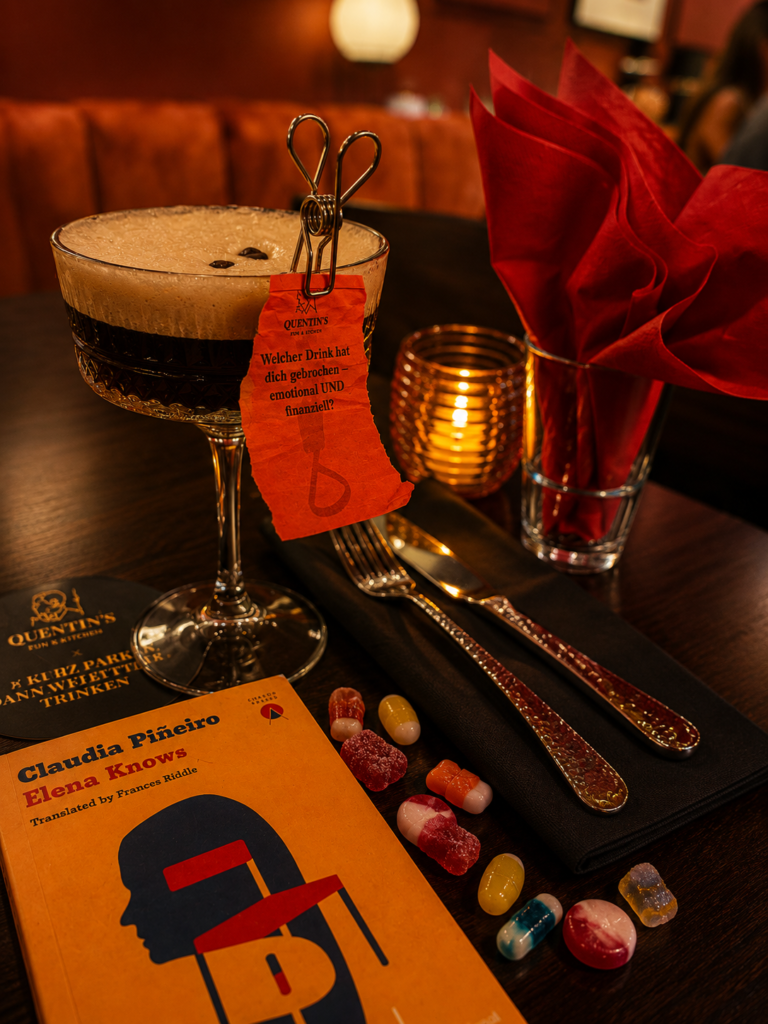
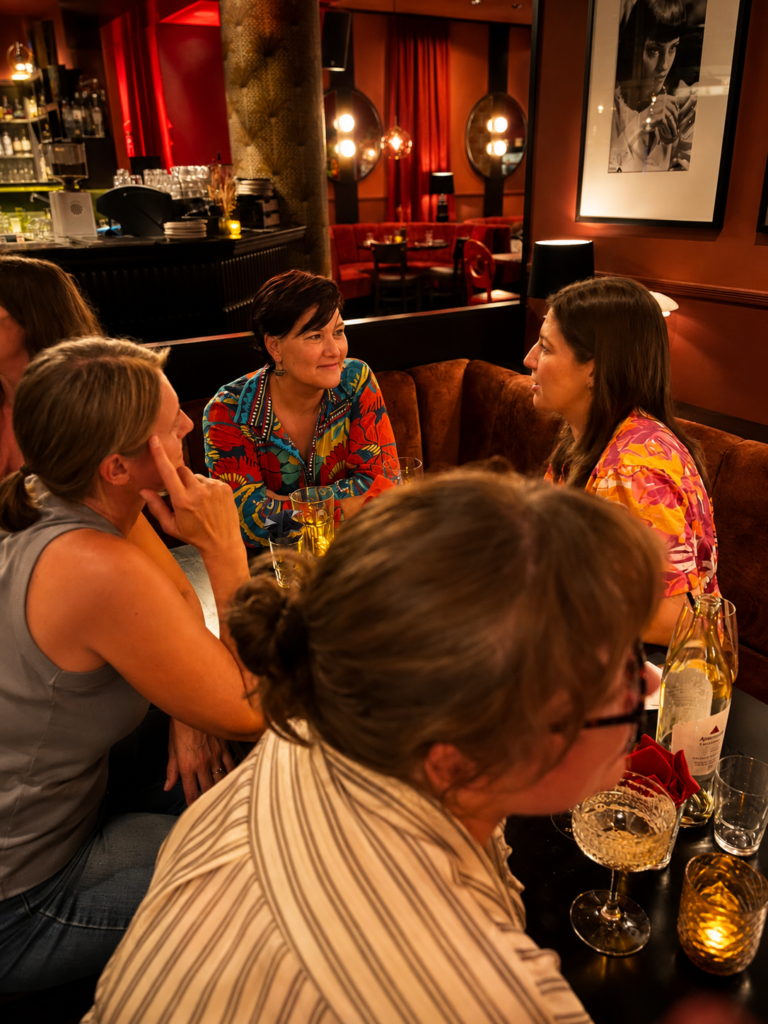
There were moments when the novel frustrated me. It is repetitive, deliberately slow and occasionally claustrophobic. Elena herself can be stubborn to the point of exasperation. Yet, by the end, I found it difficult to separate that frustration from what the novel accomplishes. Elena cannot skip the tedious negotiations with her body, so neither can we. She cannot easily move beyond her fixed understanding of Rita, and for much of the novel, neither can we.
For such a short book, Elena Knows leaves behind remarkably large questions. Perhaps the one that stayed with me longest is also the most uncomfortable:
how much can we ever truly know another person, even when that person is someone we love?
A remarkably powerful read
Udit’s Rating: ★★★★☆

My rating system is simple. A book born from genuine creativity automatically begins at three stars. Books that challenge me or force me to think earn four. Five stars are reserved for the truly extraordinary. In four years of Gray Fox Book Club, I’ve awarded only two or three books the full five stars.
You’ll enjoy this book if you like:
- Literary mysteries
- Complex mother-daughter relationships
- Character-driven fiction
- Feminist literature
- Slow, reflective novels
Some questions we discussed at Gray Fox Book Club:
- What was your emotional reaction to the book?
- Piñeiro grounds the narrative in Elena’s physical body—measuring time strictly by levodopa doses and fighting for every movement. Did the slow pace draw you into Elena’s experience or frustrate you?
- Did Elena truly know her daughter? Does Elena’s physical isolation excuse her emotional blind spots?
- Who has control over their own body in this novel?
- What role does the Catholic Church play in the novel?
- Did the ending feel like justice, punishment, revelation or something else?
What did you think?
Did you believe Elena from the beginning? Which question stayed with you after you finished the novel?
Leave a comment below.


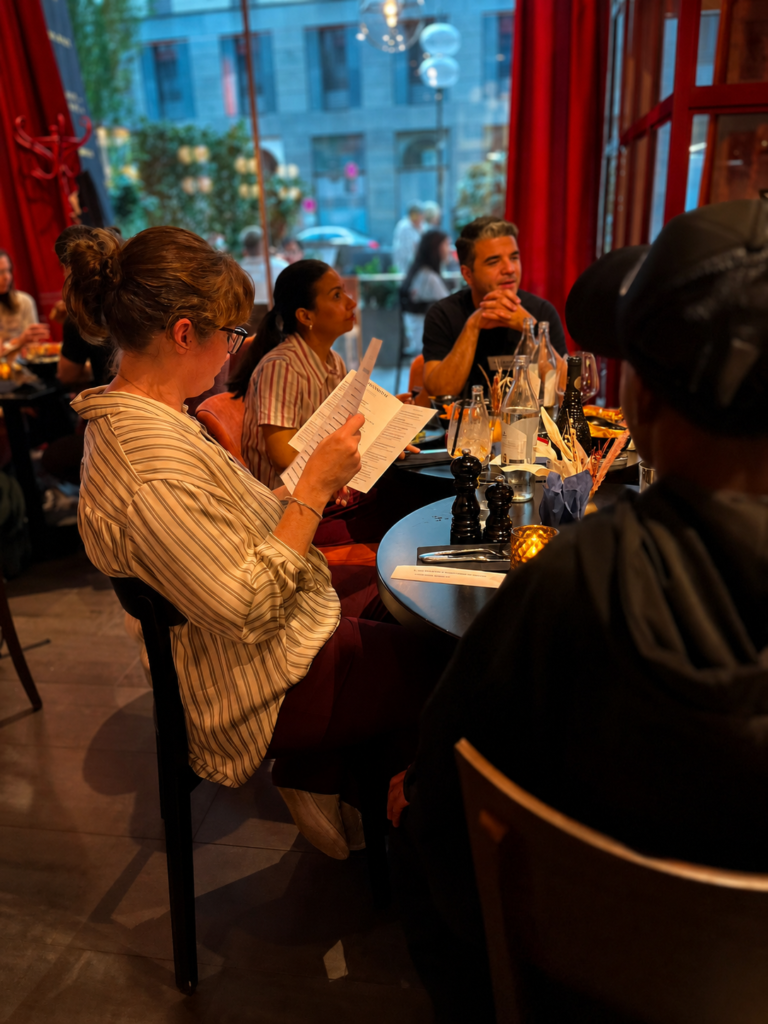
One of the things I enjoyed most about this discussion was how much I learned from the different perspectives around the table.
Gray Fox is made up of readers from all over the world, and I always find it fascinating how our cultural backgrounds shape the way we interpret a story.
I was particularly surprised to learn more about Vietnam’s relationship with abortion. Vietnam has one of the highest abortion rates in the world and has frequently been cited as having the second-highest rate globally, although rankings vary depending on the data and the year being measured. In some studies, Vietnam and Cuba have been reported as having abortion rates two to three times higher than the global average.
I also found our discussion about Islamic perspectives incredibly interesting. Before this conversation, I assumed there was a single Muslim position on abortion. In reality, there is a great deal of diversity. While abortion is generally discouraged, interpretations differ between countries, religious traditions, and stages of pregnancy. In many interpretations, preserving the life and health of the mother takes precedence, and some scholars permit abortion under specific circumstances, particularly during the first 120 days of pregnancy.
Discussions like these remind me that we never read a book in isolation. We bring our own experiences, cultures, religions, values, and histories to every page. The same novel can inspire completely different interpretations depending on who is reading it.
That, for me, is one of the greatest joys of being part of such an international book club. ❤️
Bookclub has been my home for the past 4 years! I found in it a group of people who are open to different opinions, to see different perspectives and to challenge one another. Every month im so excited to discuss the book, have interesting conversations and enjoy a good glass of wine!