
Looking back and looking forward
Everyone has that fantasy, you know the one: “if I owned my own bookshop/cafe….” the silly smile that gives you, the feeling of warmth, the idea of how windswept and interesting this part of your life could be? That is exactly what Gray Fox book club is like.

For four years, Gray Fox has tried to “read the world”: different continents, genres, cultures, histories and points of view. Some books have become favourites. Some have been passionately hated. And strangely enough, the books we disagree about most often make the best book-club nights.
The challenge every year is to read the world – read at least one author from every continent, different genres, topics, points of view. We’ve discovered some extraordinary books — and a few that will probably be argued about at Gray Fox for years to come.
Four Years of Reading the World
My first introduction to book club was “My Sister, the Serial Killer” by Oyinkan Braithwaite, which centres around a relationship between sisters, the complex points of view that naturally go along with siblings, abuse and family dynamics, and how we carry and act out what our childhood taught us in our adult lives and relationships.

The setting of this book is Nigeria, the familial culture and expectations woven into the fabric of the story and all of the relationships that the story explores. I’ll be honest, I didn’t enjoy the book and in certain places it fell flat for me but the conversation surrounding just how far you are willing to go for family, blood or found, was really interesting.
Britt’s Rating: ★☆☆☆☆
Book Club Rating: ★★★★★
The Books We Loved, Hated and Argued About
At some point we read “Earthlings” by Sayaka Murata, which explores the fragile psyche of humans, how easy yet difficult it is to run from ourselves and the expectations that are placed on us, and the absurdity of giving in to our every whim and fancy – even to the extreme.
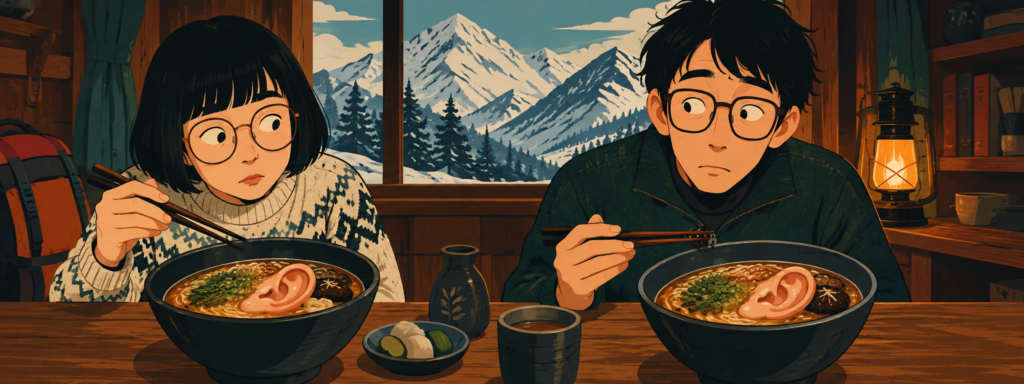
I hate this book; I loathed it, in fact. I am famous within book club for exactly how much I dislike this book. I never saw it as a comedy, though, which one of our book club members did. They found the book funny and wildly entertaining. They could not say enough good things about it. The discourse was entertaining and perspective-giving. A fun fact is that the author allegedly wrote this book to get out of writer’s block for a different book she was writing.
Britt’s rating: ☆☆☆☆☆
Book Club potential: ★★★★★
Would I recommend reading it alone? Probably not. Would I recommend arguing about it over wine with 20 other people? Absolutely.
When a Great Book Isn’t a Great Book Club Book
We read “Eddie Winston is Looking for Love” by Marianne Cronin, which explores age, how relationships, choices, memory, and action change as we grow older. It is a forehead kiss in book form. It is gentle, easy to read. It is not exciting, nor does it ask anything of the reader other than to enjoy the time it takes to explore the pages. I loved it, but many others in book club found it to be boring because nothing is asked of you – it is not a “talking point” book by any stretch.
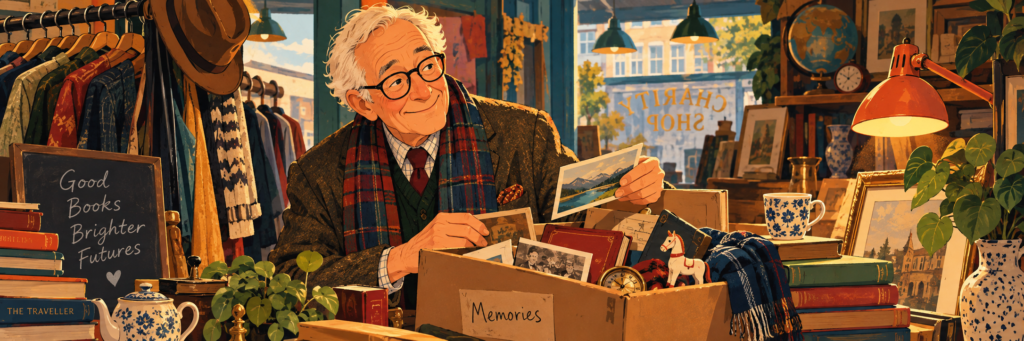
Thematically, it is interesting in the larger philosophical sense of “what is the point of love” and “if, when you get to the end of your life, which parts will matter” kind of way, but nothing like the books mentioned above that had real talking points in them.
Britt’s rating: ★★★★★
Book Club potential: ★★☆☆☆
A beautiful, comforting read — but not necessarily a book that starts an argument across the table.
History, Memory and the Stories We Carry
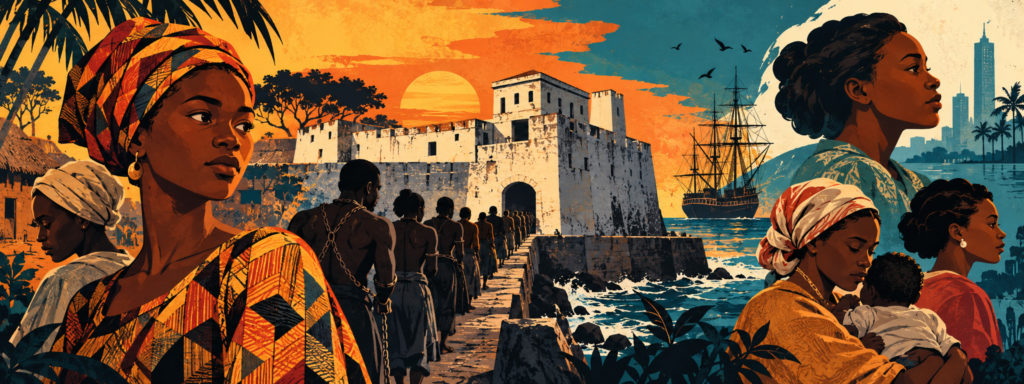
History has given us some of our richest discussions. No matter the event, these books spark great discussions and teach you something. Regardless of whether or not you enjoy historical fiction, for me this genre reminds me that history is a cycle, and no matter who we are or what decade we are living in, the human experience has common, relatable themes.
- Hum If You Don’t Know The Words by Bianca Marais, set in Apartheid South Africa.
- The Eighth Life (for Brilka) by Nino Haratischvili. One family living through revolution, Soviet rule and generations of political upheaval.
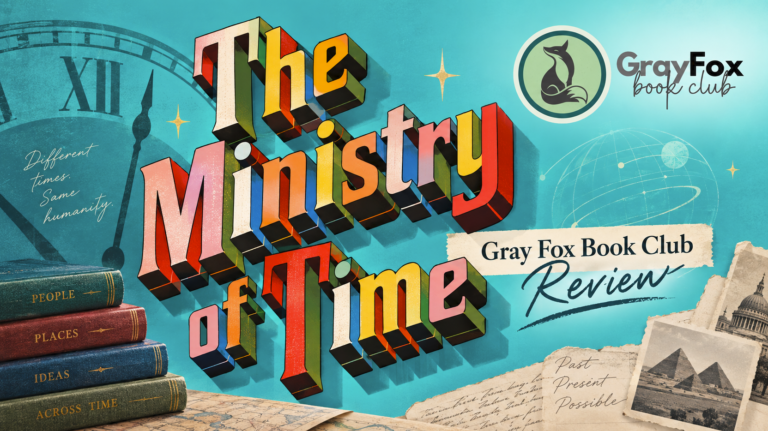
- The Ministry of Time by Kaliane Bradley explores themes of integration, time travel, what it means to be an expat, guilt, and what interfering in the past might do (read the review here)
- Lady Tan’s Circle of Women by Lisa See. Inspired by the life of Tan Yunxian, a female physician in Ming-dynasty China.”
- Homegoing by Yaa Gyasi. Colonialism, slavery and the consequences that ripple through generations.
Magic, Hell and Other Worlds
Magic, fantasy, and other worlds come up every so often:
- Tress of the Emerald Sea by Brandon Sanderson explores themes of being brave enough to not only want more for your life but to take steps to get there, as well as pirates, deceit, flying space ships, and talking rats
- Ink, Blood, Sister, Scribe by Emma Törzs spoke about the relationship between sisters, missed messages, duty, and always being on the move, with mirror magic, spells, astral projection, and magic books that may or may not drain you of your life.
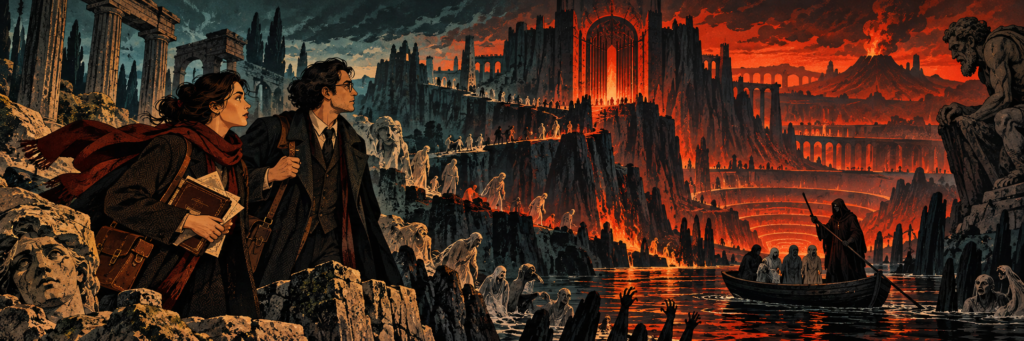
- Katabasis by R.F. Kuang explored the trials of academia and going to hell for revenge
The Ones I Missed
There are books that I have heard were exceptional but unfortunately missed:
- Yellowface by R.F. Kuang Gray Fox rating: ★★★★☆
- Seven Moons of Maali Almeida by Shehan Karunatilaka Gray Fox rating: ★★★★★
- Tomorrow and Tomorrow and Tomorrow by Gabrielle Zevin Gray Fox rating: ★★★★☆
- Babel by R.F. Kuang Gray Fox rating: ★★★★★
Where Will We Read Next?
Four years of Gray Fox has taken us from Apartheid South Africa to Imperial China, from the Soviet Union to Nigeria, through magical libraries, time travel and even into Hell itself.
But the best part has never really been the destination. It has been sitting around a table with people who have read exactly the same pages and somehow come away with completely different stories.
Here’s to the books we love, the books we hate, and the books we will still be arguing about four years from now.
I cannot wait to read what is next!