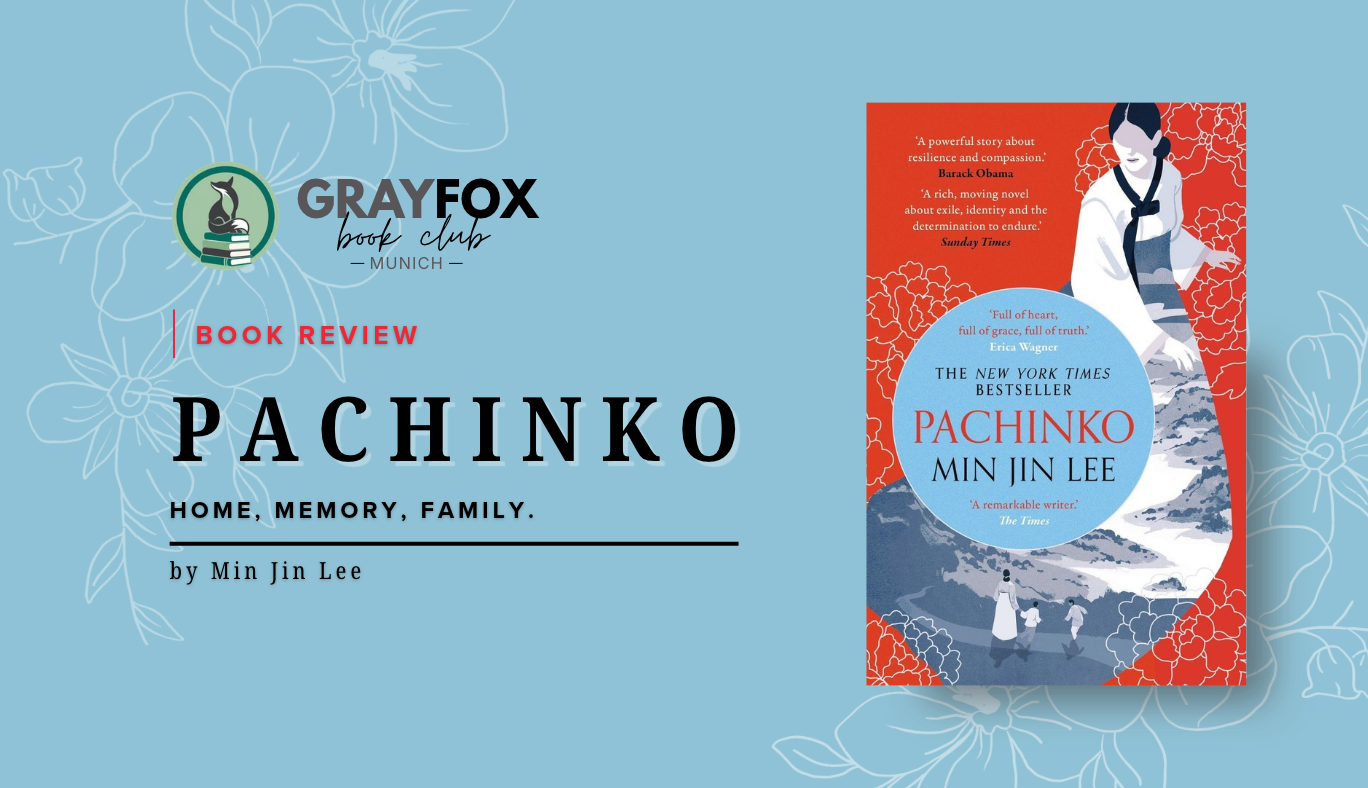
Pachinko – the epic saga
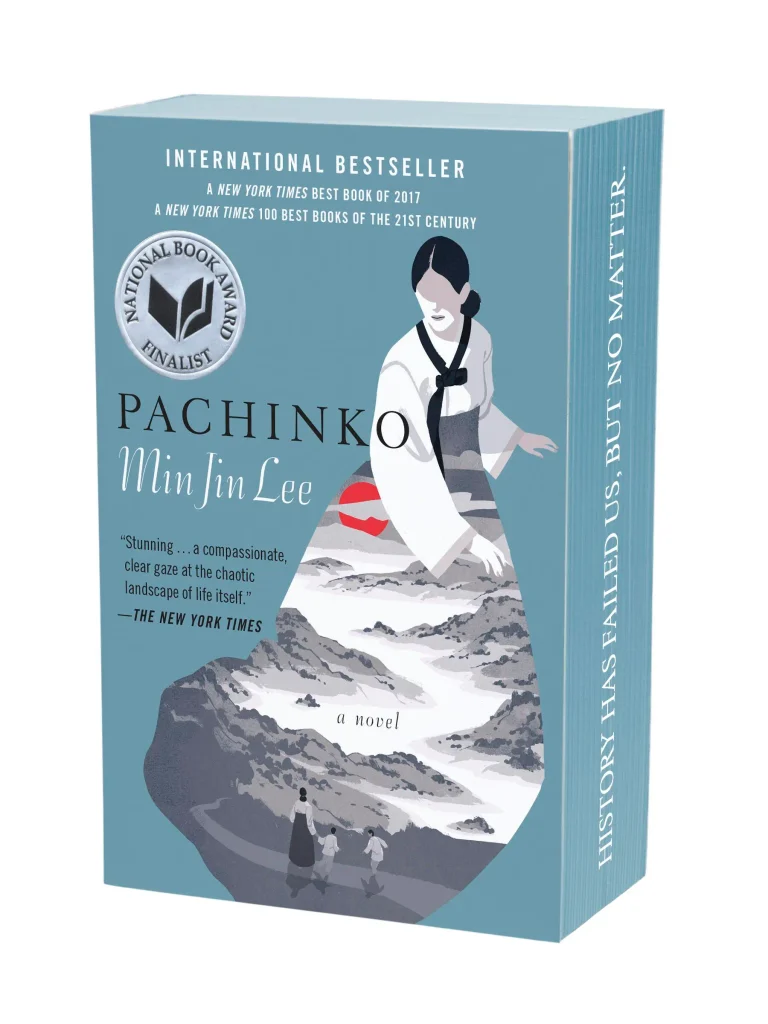
Author: Min Jin Lee
Genre: Historical Fiction
Pages: 496
Gray Fox Rating: ★★★★★
New York Times 10 Best Books 2017
Few novels manage to feel both epic and deeply intimate. Pachinko follows four generations of a Korean family across Korea and Japan, tracing how love, ambition, prejudice and history shape the lives of ordinary people. It was an almost unanimous hit at Gray Fox Book Club — and for me, a rare five-star read.
Pachinko is gambling, but not quite. The game gives you the illusion of chance, but the machines can be manipulated and the odds are never entirely in the player’s favour. In many ways, I cannot think of a better metaphor for Min Jin Lee’s novel. Her characters make choices, take risks, fall in love and work relentlessly to build better lives, but they are always playing within systems shaped by history, nationality, class and prejudice—forces over which they have very little control.
I absolutely loved Pachinko. It is an epic family saga spanning generations, but its greatest strength for me was that it is historical fiction at its best. I love books where the boundary between personal life and historical context becomes so blurred that eventually you cannot tell where one ends and the other begins, and Pachinko achieves this almost effortlessly.


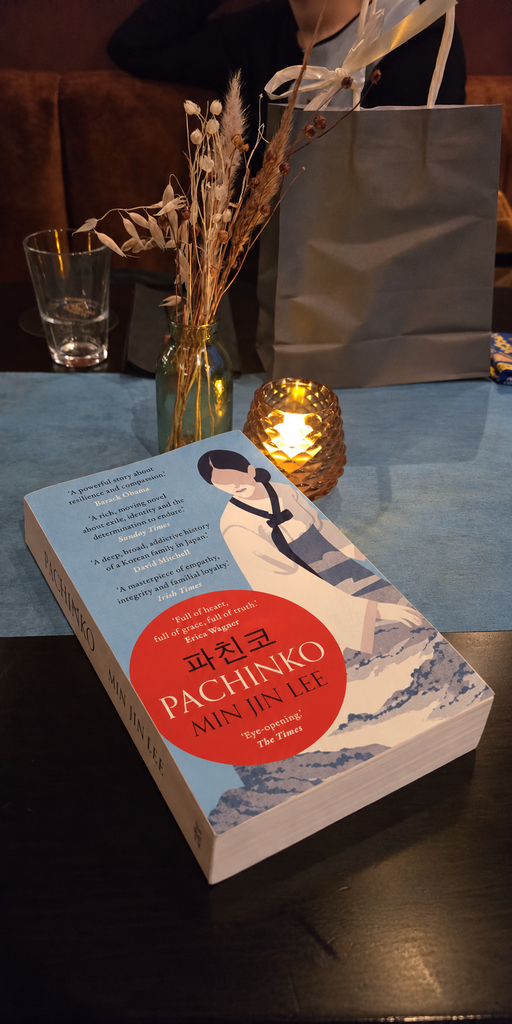
Japanese colonialism, war, migration and discrimination are not presented to us simply as historical events. We experience them through marriages, pregnancies, food, work, businesses, deaths and family decisions.
History doesn’t happen somewhere in the background while the characters live their lives; history happens to their lives. At times, the integration is so seamless that it almost feels surreal to realise how enormous political events ultimately enter people’s homes in the most ordinary ways.
Udit
Perhaps this is partly why the novel feels so authentic. Min Jin Lee spent years interviewing Korean-Japanese families after moving to Tokyo, and those conversations reportedly changed the novel substantially.
She realised that archival history alone could not capture the contradictions, humour and resilience of ordinary lives.
That decision is visible throughout Pachinko: none of its characters exists merely to represent a historical argument.
What fascinated me most was the question of identity and belonging. Sunja leaves Korea for Japan, but as the generations pass, the problem becomes increasingly complicated. Korea becomes a homeland that some descendants barely know, while Japan becomes the only home they have ever known and yet can remain reluctant to completely accept them. Historically, generations of Zainichi Koreans faced precisely this contradiction—being born and raised in Japan while continuing to experience legal and social exclusion.
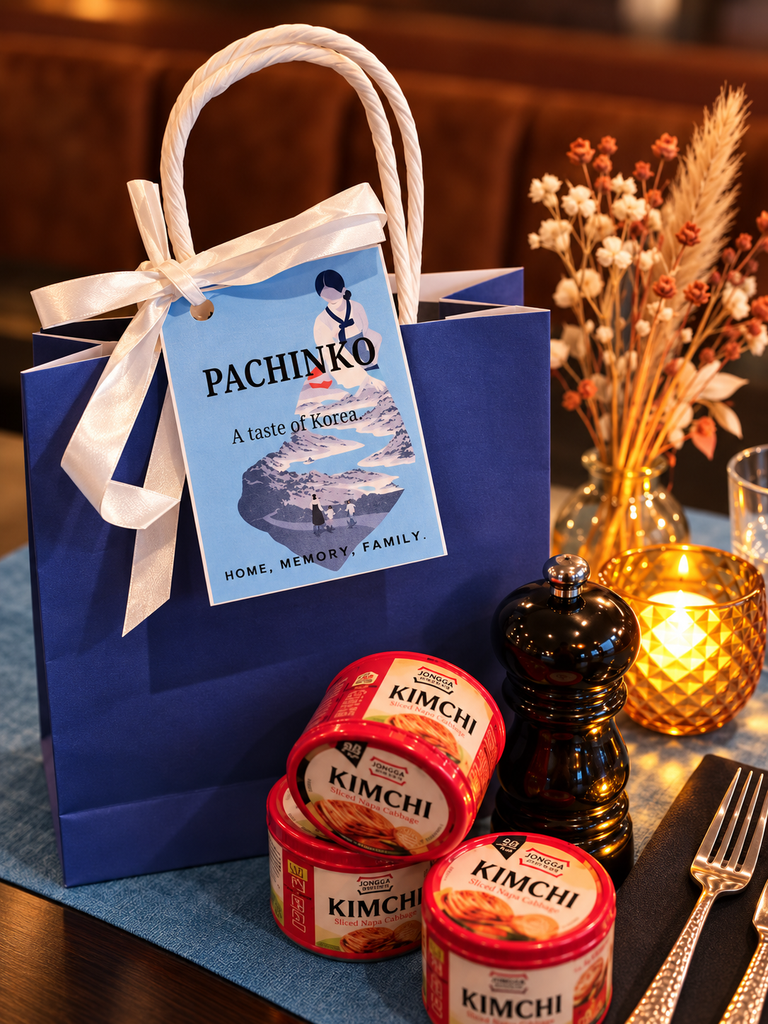

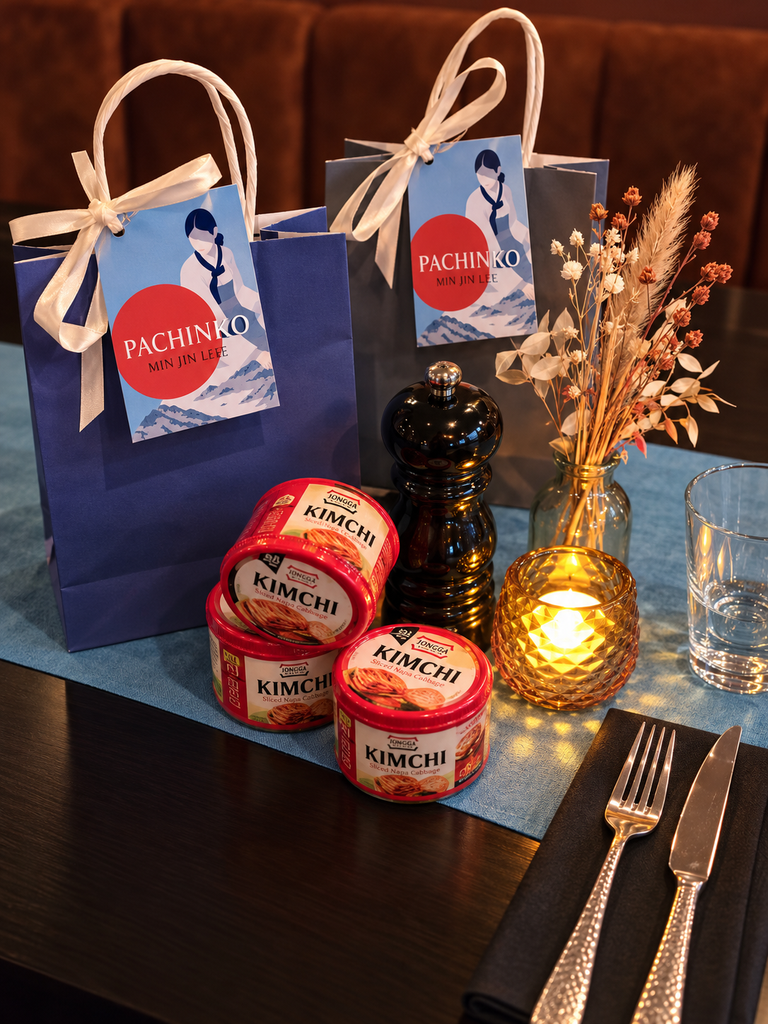
We had an interesting disagreement about this at my table. One member of Korean origin felt that perhaps by Solomon’s generation—or at least the generation after him—the racism and questions of belonging might finally fade away. I wasn’t so convinced. Prejudice can certainly diminish, and societies change, but cultural ideas about who belongs and who remains an outsider can become so deeply ingrained that they outlast the generations that created them.
In fact, Solomon interested me precisely because education, wealth and international exposure do not automatically free him from the questions that followed his family.
This is also why pachinko becomes such a powerful symbol. Historically, the industry offered economic opportunities to ethnic Koreans who were excluded from many mainstream professions. Mozasu therefore finds success in an industry that respectable Japanese society can look down upon while simultaneously denying people like him access to other forms of respectability.
The game is rigged, but refusing to play doesn’t necessarily give you another game.
And then there are the characters. Sunja, Noa, Mozasu, Hansu, Isak, Kyunghee and Solomon are never reduced to embodiments of particular themes. They can be loving, selfish, proud, resilient, frustrating and contradictory. History limits their possibilities, but it never completely defines their humanity.
Almost everyone in our book club agreed that this was a fantastic read. I actually found myself searching for a genuinely contrarian perspective during the discussion simply because the admiration around the table was so consistent—and there wasn’t much of one to be found.
Perhaps that says something about what Pachinko manages to accomplish. It tells an enormous story about colonialism, migration, racism and identity without ever losing sight of the individual people living underneath those words.
Empires change, countries divide and generations pass, but people continue doing what they have always done: trying to survive, to love, to provide for their families and to find somewhere they can call home.
And like Pachinko, you may not get to choose the game you are born into, but you still have to find a way to play.
An epic saga
Udit’s Rating: ★★★★★

My rating system is simple. A book born from genuine creativity automatically begins at three stars. Books that challenge me or force me to think earn four. Five stars are reserved for the truly extraordinary. In four years of Gray Fox Book Club, I’ve awarded only three books the full five stars.
You’ll enjoy this book if you like:
- Generational family epics: Stories that trace a family’s triumphs, secrets, and heartbreaks across multiple decades and generations.
- Rich historical fiction: Deep dives into underrepresented moments in history, specifically the complex experience of ethnic Koreans living in 20th-century Japan.
- Resilient, complex characters: Character-driven narratives featuring quiet strength, fierce matriarchs, and moral grey areas where survival comes first.
- Themes of identity and belonging: Thoughtful explorations of displacement, cultural assimilation, racism, and what it truly means to search for home.
- Immersive world-building: Expansive, atmospheric storytelling that moves seamlessly from rural Korean fishing villages to bustling Japanese pachinko parlors.
- Bittersweet, realistic storytelling: Sweeping dramas that balance tragedy with hope, favoring poignant realism over neat or sentimental endings.
Some questions we discussed at Gray Fox Book Club:
- How much of Sunja’s life is shaped by her choices, and how much by circumstance?
- Do you think Sunja made the right decision in refusing Hansu’s offer?
- How does shame influence the choices characters make throughout the novel?
- What does the book suggest about what it means to be Korean in Japan?
- Which relationship in the novel interested you the most?
- The novel says, “History has failed us, but no matter.” After finishing the book, what does that line mean to you?
What did you think?
When a country forces you to assimilate to survive, how much of your identity can you preserve before you become a stranger to your own heritage? Leave a comment below.