
What to Know Before You Read The Yearning by Mohale Mashigo
A journey into South Africa’s history, traditions, ancestral beliefs and the complicated question of belonging.
South Africa is a country of extraordinary beauty, rich traditions and a deeply complicated history. It is a land of staggering contrasts, where unimaginable wealth exists alongside abject poverty, and breathtaking natural landscapes stand in stark contrast to sprawling townships stretching as far as the eye can see.
It’s a place where ancient spiritual beliefs coexist with modern Christianity, where celebrating two weddings is perfectly normal.
South Africa is magnificent. South Africa is heartbreaking. South Africa is completely bloody ridiculous.
We have some of the most spectacular scenery on earth, incredible wildlife, delicious food, outstanding wines and a rather impressive collection of corrupt politicians.
Our traffic lights, affectionately called robots, regularly stop working. Electricity has historically been something of a lucky draw, thanks to load shedding. And just when you think you’ve seen everything, a Checkers Sixty60 delivery driver comes flying past on a scooter with the determination of a Formula One champion and absolutely no apparent concern for his own mortality.
Yet South Africans have an extraordinary ability to laugh.
We laugh about our politicians, our power cuts, our potholes, our crime and our collective inability to organise anything without some degree of chaos.
Nothing is sacred. Absolutely nothing.
I sometimes think all the trauma made us funny. Dark humour has practically become a national survival strategy. If we didn’t laugh at the insanity, we’d spend most of our lives crying into our wine.
And speaking of wine, we make some excellent wine.
Which brings me to the rather awkward matter of our history.
I’m a white South African of Dutch descent, born in 1986, when apartheid was beginning to face increasing resistance and pressure, although it would take another eight years before our first democratic elections.
I grew up in the shadow of a system that privileged people who looked like me and oppressed those who didn’t.
So where exactly does that leave me in this tragic, complicated history?
Well, with plenty of uncomfortable questions, a fair amount of guilt, a commitment to doing some good in the world.
I love South Africa fiercely. I am also deeply critical of it. Both things can be true.
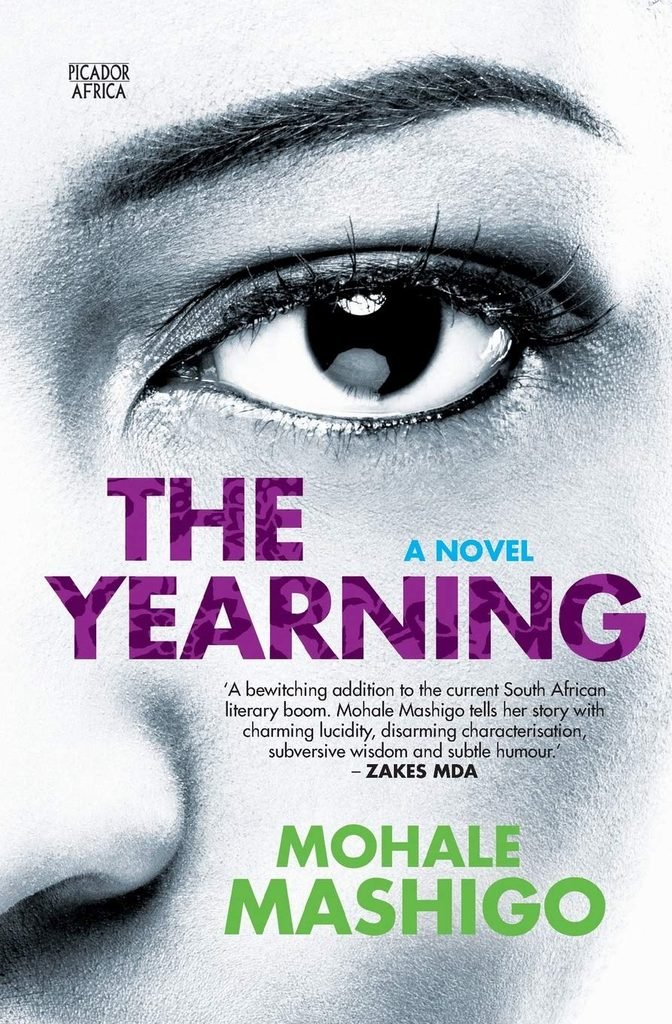
And perhaps that’s why Mohale Mashigo’s The Yearning interests me so much. It’s a novel about identity, belonging, memory and the things we inherit from generations before us, whether we asked for them or not.
For readers unfamiliar with South African culture, Mohale Mashigo’s The Yearning offers a fascinating introduction to this world.
1. Before You Read: The Central Themes
At its heart, The Yearning explores a question that is both deeply personal and wonderfully complicated:
Who are we when we no longer fully understand where we come from?
The novel follows Marubini, a successful young Black woman working in Cape Town’s wine industry. She has built a comfortable, modern life, but beneath the surface lie questions about her past, her family and her cultural identity.
Mohale Mashigo weaves together several themes that are worth keeping in mind as you read:
- Identity and belonging: How much of who we are comes from our families, our culture and the society in which we grow up?
- Ancestral connections: What happens when traditional spiritual beliefs collide with modern life?
- Cultural inheritance: Can traditions, memories and beliefs survive even when families stop practising or discussing them?
- Colonialism and cultural loss: How have generations of political and religious upheaval changed the way South Africans understand their identities?
- Tradition versus modernity: Can someone be a thoroughly modern, independent woman while remaining connected to ancient cultural beliefs?
This guide is spoiler-light and intended to enrich your reading experience without revealing the story’s mysteries.
Before diving in, let’s unpack some of South Africa’s history and cultural traditions.
Don’t worry. There will be wine, weddings, ancestors, supernatural creatures and a public transport system that will have you believing in God before your first stop.
2. South Africa: One Country, Many Cultures
South Africa is affectionately called the Rainbow Nation, a term popularised during our transition to democracy in the 1990s.
And a rainbow it certainly is.
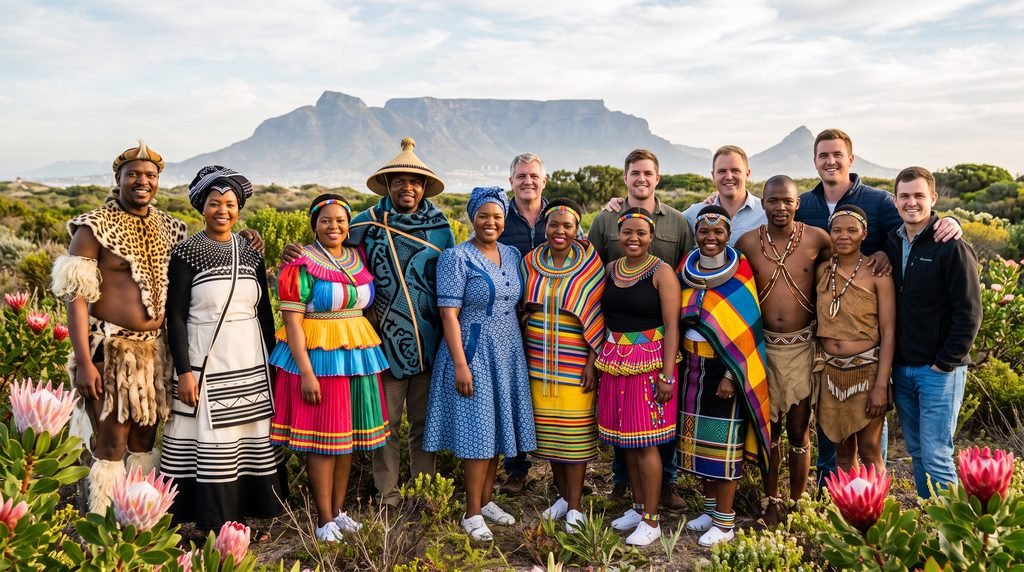
The name reflects the country’s remarkable cultural and linguistic diversity.
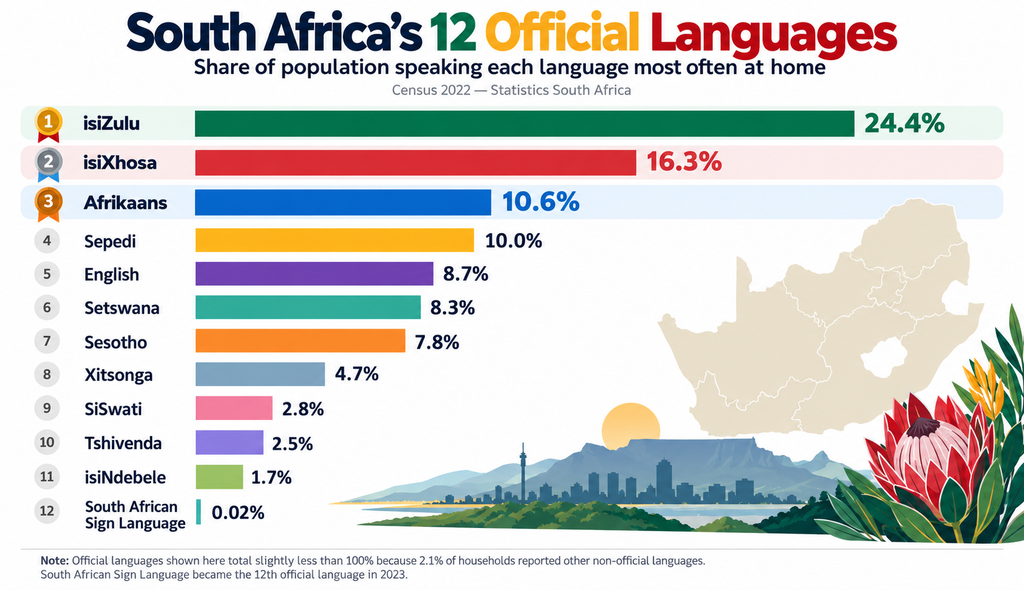
We have 12 official languages. Twelve! Most countries struggle with one or two. We apparently looked at that and thought, “Amateurs.”
Our languages include isiZulu, isiXhosa, Afrikaans, Sepedi, Sesotho, Setswana, English and several others.
Now, here’s the funny part. English is widely used in business, education and government, yet it’s the home language of less than 10% of the population.
So the language most international visitors expect everyone to speak isn’t even in our top four.
South Africa is home to many cultural communities, including Zulu, Xhosa, Pedi, Sotho, Tswana, Venda, Tsonga and Ndebele peoples, as well as Khoikhoi and San communities and many others.
These cultures have their own languages, traditions, clothing, ceremonies, beliefs and histories.
And no, they’re not all the same.
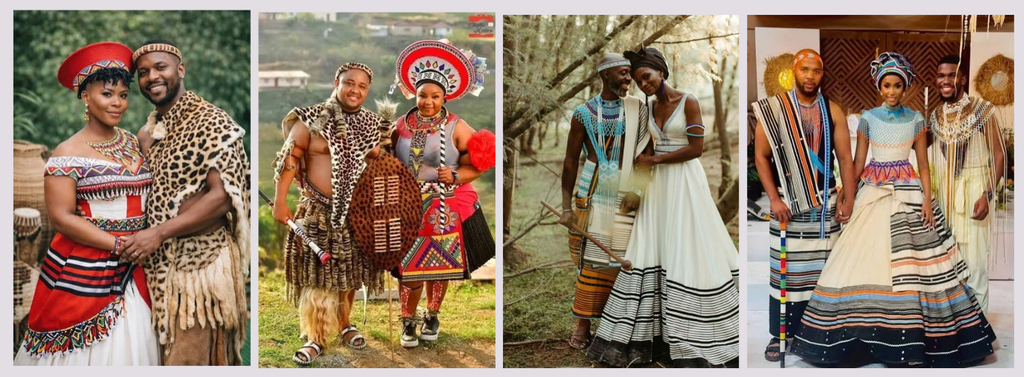
A Zulu wedding is not necessarily the same as a Xhosa wedding. Initiation traditions differ, spiritual practices vary, and traditional clothing is not one giant interchangeable African costume.
Yet many South Africans move between multiple languages and cultural environments every single day.
I know people who can switch between three or four languages in one conversation without blinking.
Meanwhile, after years of studying German, I can still spend five minutes mentally calculating the correct article for a cucumber.
Humbling.
In The Yearning, Marubini’s world reflects this wonderfully layered society. The novel draws on different South African languages and cultural traditions, reminding us that being South African is only one part of a person’s identity.
3. Ancestors, Sangomas and the Spiritual World
Long before European missionaries arrived in southern Africa, indigenous communities had their own spiritual traditions, ancestral beliefs, healing practices and understandings of the relationship between the living and the dead. These traditions varied between communities, but many placed enormous importance on ancestors, family lineage and spiritual guidance.
Then along came the missionaries.
Now, imagine arriving in a country where people have maintained their own spiritual traditions for generations and deciding that what everyone really needs is your religion, your education system and preferably your dress code.
The confidence is almost impressive.
Christian missionaries established churches and schools across southern Africa. Many provided education and medical care, and some became important critics of colonial injustice.
But conversion was also closely entangled with colonial power.
Traditional spiritual practices were frequently condemned as pagan or superstitious. Converts were sometimes encouraged or pressured to abandon ancestral rituals, traditional ceremonies and cultural customs.
There was, of course, the small matter of a deeply Christian colonial society continuing to profit from slavery.
A theological contradiction of truly spectacular proportions.
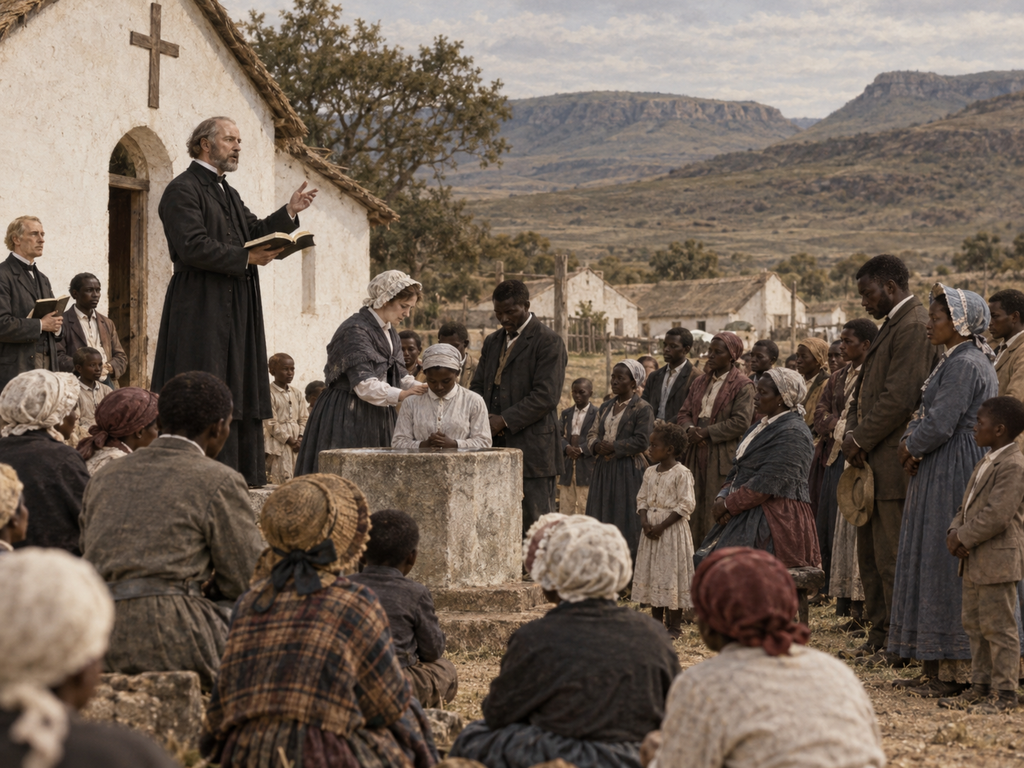
But African spiritual traditions did not simply disappear.
Many people incorporated elements of Christianity into their existing beliefs.
Even today, you may find families where one person attends church every Sunday, another consults a traditional healer, and a third does both.
Family Christmas lunch must be interesting.
And this tension between inherited beliefs and adopted religions is particularly important when reading The Yearning.
What happens when a family turns away from spiritual traditions that have guided generations?
And can those beliefs ever truly disappear?
Sangomas: Traditional Healers and Spiritual Guides
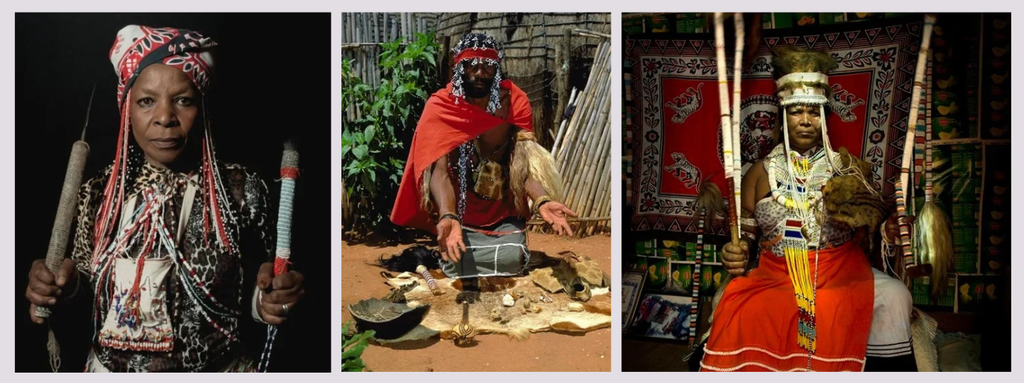
In several southern African cultures, a sangoma is a traditional spiritual healer or diviner.
Sangomas may communicate with ancestors, interpret dreams, identify spiritual disturbances and help people make sense of difficulties in their lives.
Their role goes beyond treating physical illness. They may also address spiritual, emotional and family concerns.
Now, becoming a sangoma isn’t generally a matter of waking up one morning and thinking, “You know what? I fancy a career change.”
In many traditions, it is understood as an ancestral calling.
This calling, sometimes associated with ukuthwasa in Nguni traditions, may manifest through dreams, unusual experiences or periods of distress.
Those who accept the calling can undergo extensive training under experienced practitioners.
And from what I understand, your ancestors aren’t necessarily interested in whether this fits neatly into your five-year career plan.
You’ve got your life organised. A nice job. Perhaps a mortgage. A gym membership. A holiday booked for December.
And then the ancestors apparently have other ideas.
Traditional African spirituality often understands the physical and spiritual worlds as closely connected.
For believers, the ancestors remain an important part of family life, offering guidance, protection and sometimes warnings.
These beliefs are central to understanding the cultural world in which The Yearning unfolds.
Because sometimes the past doesn’t stay politely in the past.
Sometimes it has opinions about what you’re doing with your life.
4. Colonialism: Well, That Escalated Quickly
Before we get into the beautiful vineyards and supernatural creatures, we need to address the enormous colonial elephant in the room.
In 1652, the Dutch East India Company arrived at the Cape of Good Hope.
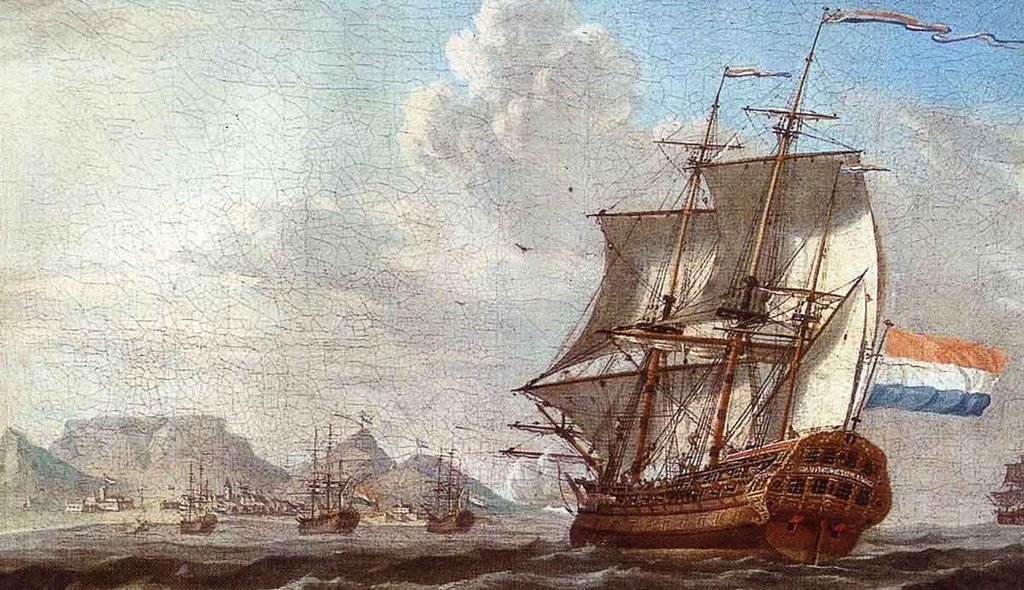
The original plan was relatively straightforward: establish a refreshment station to supply ships travelling between Europe and Asia.
A little stopover. Some fresh vegetables. Water for the sailors. Perhaps a pleasant afternoon admiring Table Mountain.
What could possibly go wrong?
Well, quite a lot, as it turns out.
The Dutch established a permanent colonial settlement, settlers expanded into land already occupied and used by indigenous communities, and slavery became central to the colonial economy.
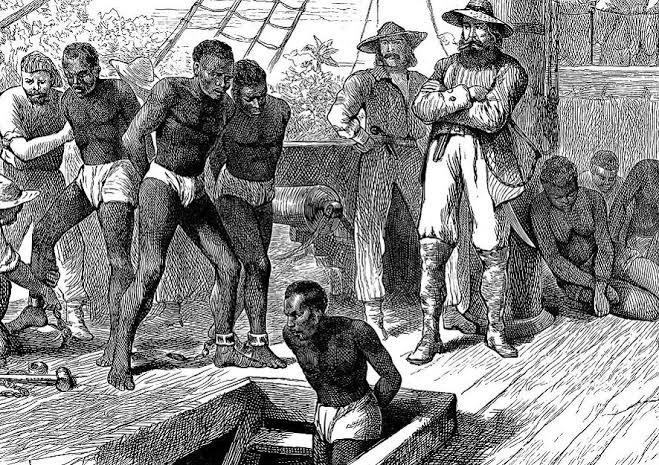
Indigenous people were dispossessed of land, and enslaved people were brought to the Cape from other parts of Africa and across the Indian Ocean world.
The British later took control, and colonial expansion continued.
By the twentieth century, centuries of colonial inequality had helped establish the foundations of apartheid.
In 1948, the National Party formally introduced apartheid, a system of racial segregation that controlled where people could live, study, work and travel, whom they could marry, and whether they had political rights.
Imagine a government looking at an already deeply divided society and deciding what it really needed was an elaborate administrative system to make absolutely certain everyone stayed divided.
And then spending decades enforcing it.
Apartheid was dismantled through a long and difficult struggle, culminating in South Africa’s first democratic national elections in 1994. Nelson Mandela became president, and South Africans celebrated the beginning of a new era.
Unfortunately, centuries of inequality don’t disappear because someone changes the government. Land ownership, generational wealth, education and employment opportunities continue to reflect our history.
And as I mentioned earlier, I’m a white South African of Dutch descent. My own family’s place in this history is something I can’t simply separate from myself. I didn’t choose the circumstances into which I was born, but I do have a responsibility to understand the advantages and disadvantages that history created.
Which is considerably more complicated than simply putting a rainbow on everything and announcing that we’re all one happy family.
We are a remarkable country.
We’re also very much a work in progress.
5. Soweto: More than a Township
Ah, Soweto! A place that has witnessed some of South Africa’s darkest history, produced some of its greatest political leaders, and developed a cultural identity that is entirely its own.
First, a little geography.
Soweto stands for South Western Townships. It is a vast urban area southwest of Johannesburg, originally developed through a collection of townships shaped by racial segregation and apartheid-era urban planning.
And when I say vast, I mean vast. This is not a little neighbourhood with a few streets and a corner shop. Soweto is home to more than a million people, with numerous neighbourhoods, communities and distinct local identities.
A History of Forced Separation
During apartheid, South Africans were classified according to race, and the government controlled where people could live. Black South Africans were systematically removed from many areas designated for white residents and forced into segregated townships, often far from employment opportunities.
Soweto grew within this deeply unjust system.
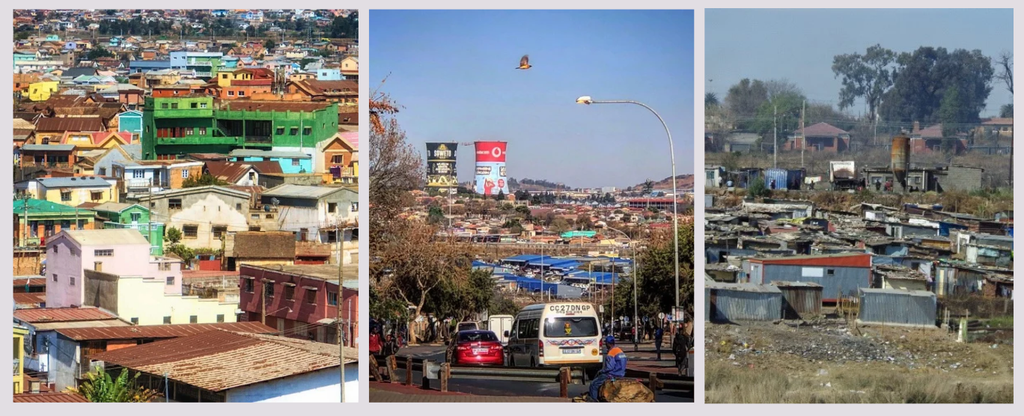
Residents frequently faced overcrowding, inadequate infrastructure, poor public services and long commutes to work.
Imagine being forced to live miles away from your job because of the colour of your skin, then spending hours travelling there and back. (See the Taxi section below)
The Soweto Uprising of 1976
On 16 June 1976, thousands of Black schoolchildren in Soweto protested against apartheid education policies, particularly the imposition of Afrikaans as a language of instruction in certain subjects.
The police opened fire on the protesting students.
Children were killed.
One of the most famous photographs from that day shows the dying 12-year-old Hector Pieterson being carried by fellow student Mbuyisa Makhubo, with Hector’s sister Antoinette running alongside them.
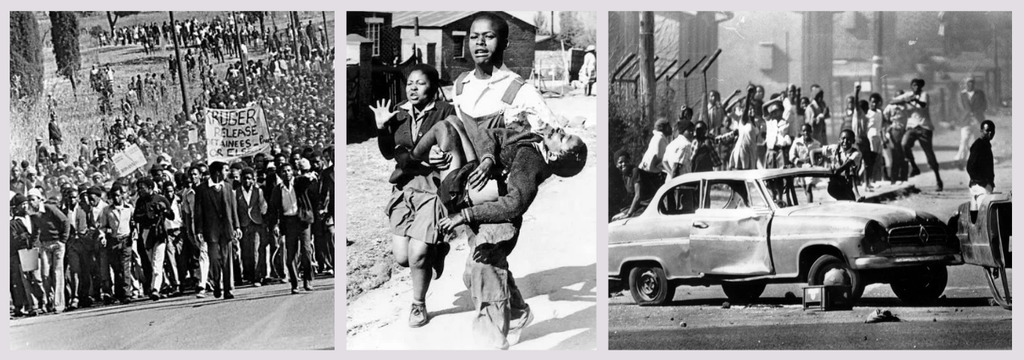
The photograph became an international symbol of apartheid’s brutality.
The uprising spread beyond Soweto and became a turning point in the struggle against apartheid.
The Home of Extraordinary People
Soweto is also famous for Vilakazi Street in Orlando West.
What makes this street remarkable?
Two Nobel Peace Prize laureates lived there: Nelson Mandela and Archbishop Desmond Tutu.
Two Nobel laureates. One street.
Not bad for a neighbourhood that the apartheid government tried so hard to marginalise.
But Soweto’s cultural significance extends far beyond its famous residents.
Music, Fashion, Food and Township Culture
Soweto has played an enormous role in shaping modern South African culture.
It has influenced music, dance, fashion, language and popular culture across the country. From the energetic rhythms of township jazz to kwaito, a music genre that emerged in the 1990s, Soweto has long been a centre of artistic creativity.
And then there’s the food.
A kota, for example, is a gloriously excessive township sandwich made from a hollowed-out quarter loaf of bread stuffed with combinations of chips, polony, atchar, cheese, eggs or other fillings.
A nutritional disaster, perhaps. But a magnificent one.
Soweto is also home to bustling markets, thriving businesses, restaurants, creative communities and neighbourhoods that vary enormously in character and wealth.
Soweto Today
One of the biggest misconceptions international readers have about South African townships is that they are all uniformly poor.
They aren’t.
Soweto contains informal settlements, modest family homes, middle-class neighbourhoods and some distinctly affluent properties. Poverty and inequality remain serious challenges, but they do not define the entirety of life there.
Soweto is a place of political resistance, extraordinary creativity, community pride and complex social realities.
Why does Soweto matter in The Yearning?
When Soweto appears in the novel, remember that it is not simply a location on a map.
It carries generations of history, cultural memory and identity.
And in a novel so deeply concerned with the relationship between past and present, that context matters.
6. Wine, Wealth and the Western Cape
Stellenbosch. Franschhoek. Paarl. Constantia.
Rolling vineyards, dramatic mountains, beautiful old Cape Dutch buildings, exquisite restaurants and wine estates where you can spend an entire afternoon pretending you understand the difference between notes of blackberry and hints of tobacco.
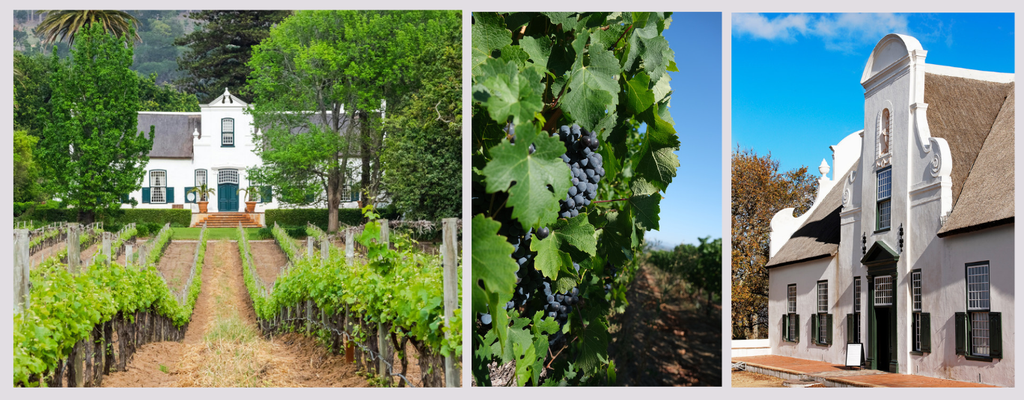
But behind this postcard-perfect landscape lies a history that is anything but romantic.
Wine production began at the Cape during Dutch colonial rule, with the first recorded wine produced in 1659.
European settlers, including French Huguenots, helped develop the industry. But much of its early wealth was generated through the labour of enslaved people.
For generations, workers cultivated vineyards, harvested grapes and produced wine on land owned by colonial farmers.
The industry also developed the notorious dop system, under which some farmworkers were given alcohol as part of their compensation or during the working day.
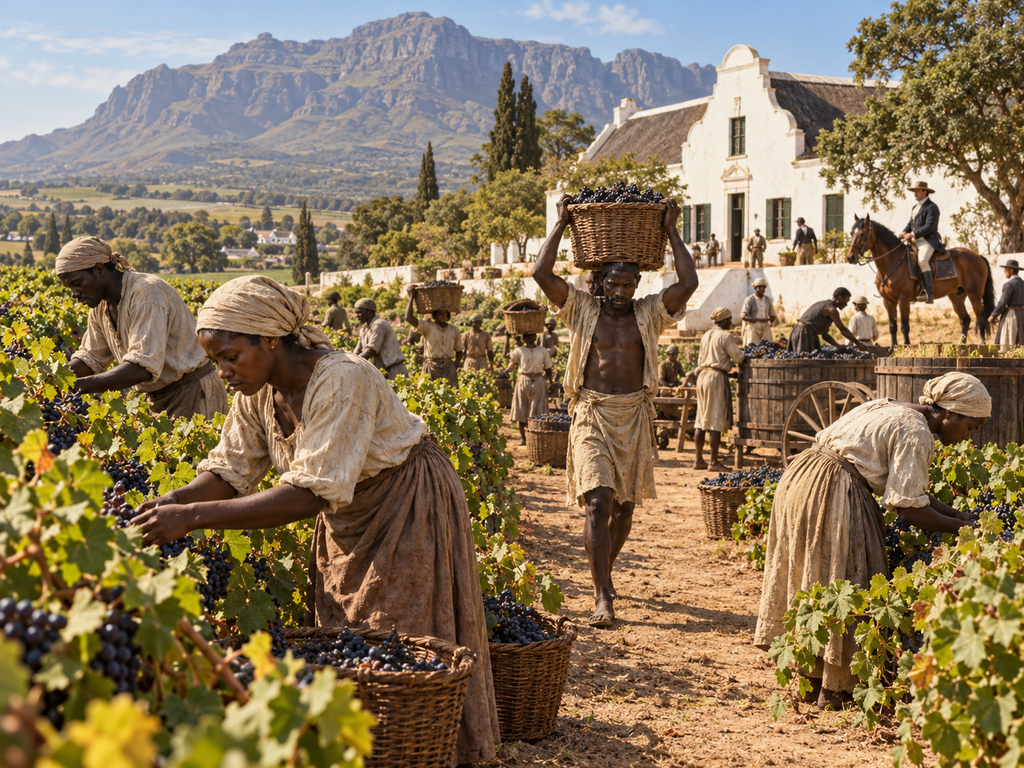
Now there’s a brilliant idea. Pay people partly in the very substance that can make them dependent on you.
Whoever came up with that particular management strategy certainly wasn’t winning any awards for human rights.
Its damaging consequences lasted for generations.
Today, the Cape wine industry produces some truly outstanding wines, but historical inequalities in land ownership, wealth and employment remain important issues.
Why Marubini’s job matters
Marubini works in marketing for an established wine estate.
For an international reader, this might seem unremarkable.
A young professional woman. A marketing career. A beautiful office surrounded by vineyards.
Lovely.
But consider the history of the industry.
For generations, Black and Coloured South Africans were largely excluded from positions of authority and influence within an industry built upon the labour of enslaved and exploited workers.
Now we have a young Black woman working in a professional position in this historically white-dominated world.
That is not an insignificant detail.
And I think it makes Mashigo’s choice of setting particularly interesting.
Because in South Africa, even a beautiful glass of Cabernet Sauvignon comes with several centuries of historical baggage.
Cheers to progress. There’s still rather a lot of work to do.
7. Coming of Age: Forget Sweet Sixteen
In many South African cultures, growing up involves considerably more than receiving a birthday cake, opening presents and being told that you’re technically an adult but still expected to clean your room.
Traditional initiation ceremonies can mark the transition from childhood to adulthood and carry enormous spiritual, cultural and social significance.
Boys Going to the Mountain
Among many Xhosa communities, a traditional male initiation ceremony known as ulwaluko marks the transition from boyhood to manhood.
Young men spend a period away from everyday family life, often in a secluded area traditionally referred to as “going to the mountain”.
During this period, they receive guidance from older men on responsibility, adulthood, cultural identity and the expectations of their community.
The tradition includes circumcision, followed by healing and seclusion. Initiates may wear blankets and apply white clay to their bodies.
Their return is often celebrated by family and community members.
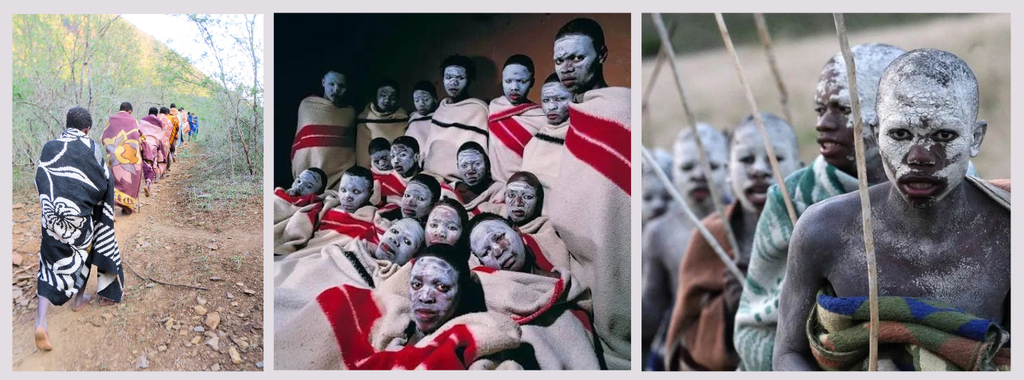
In a world where some eighteen-year-olds still need reminding to put their dirty dishes in the dishwasher, the contrast is rather striking.
But this is an important and sometimes controversial tradition. Safety concerns have led to serious discussions about regulation, medical care and the preservation of cultural practices.
Not all Xhosa men participate, and initiation traditions differ between South African communities.
Girls’ Initiation and Ochre
Girls also have coming-of-age ceremonies in several southern African traditions.
Among some Xhosa communities, a ceremony known as intonjane traditionally marks the transition from girlhood to womanhood.
These ceremonies may involve seclusion, instruction from older women, special clothing, ritual activities and family celebrations.
During certain ceremonies, girls may apply white clay or ochre to their faces and bodies.
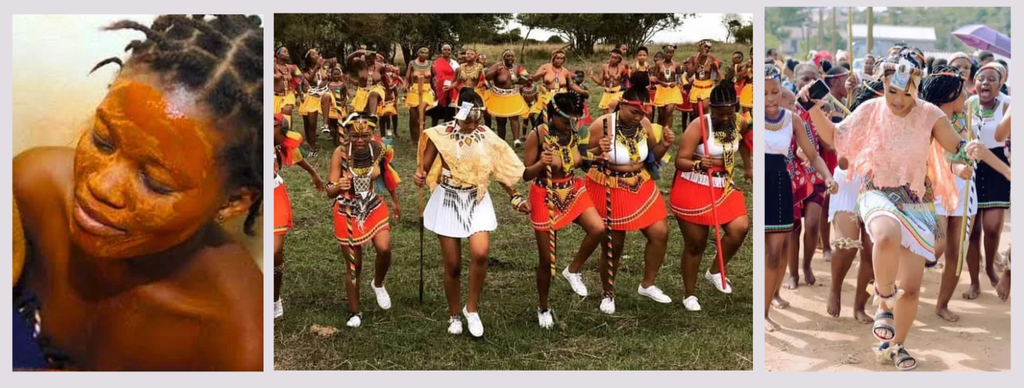
These markings are not simply the ancient equivalent of a trip to Sephora.
They carry cultural and spiritual meaning, sometimes symbolising purification, transformation, identity or a person’s transition into a new stage of life.
The colours, materials and meanings vary considerably between communities.
What I find especially interesting is the way these ceremonies connect young people to generations of knowledge.
In modern Western societies, adulthood is often defined by a legal birthday.
In many traditional cultures, becoming an adult also involves learning what it means to belong to a family and community, and accepting the responsibilities that come with that belonging.
8. Traditional Names and School Names
Names in South Africa can carry enormous significance.
In many African communities, a child’s name may reflect the circumstances of their birth, the family’s experiences, an expression of gratitude or hopes for the child’s future.
Names connect people to their families, ancestors and cultural identities.
However, during the colonial and apartheid eras, many Black South Africans were given or encouraged to use English or Christian names at school, church or work.
So you could be known by one beautiful, meaningful African name at home and an entirely different European name at school.
Because apparently learning to pronounce someone’s actual name was simply too much administrative effort.
For example, a child called Sipho might also be known as John, or a girl called Nkosazana might also be called Elizabeth. These are illustrative examples, of course, not translations.
Fun fact: Nelson Mandela wasn’t born Nelson at all! His birth name was Rolihlahla, a Xhosa name often translated as “troublemaker” — and, considering the trouble he caused the apartheid government, I’d say his parents were onto something!
Sometimes families freely chose both names, but in other cases European naming practices reflected colonial pressure and discrimination.
Today, many South Africans proudly use their indigenous names in all aspects of their lives.
In The Yearning, Marubini is also known as Maru or Rubi.
After all, identity is complicated enough without having to answer to three different names depending on who’s shouting across the room.
9. Music, Folklore and Everyday Life
Miriam Makeba: The Voice of a Nation
Before Beyoncé, Rihanna and the rest of our modern music royalty, South Africa had Miriam Makeba.
And what a woman she was.
Miriam Makeba (1932–2008), affectionately known as Mama Africa, was one of South Africa’s most influential musicians and anti-apartheid activists.
Born in Johannesburg, she became internationally famous in the 1950s and 1960s, introducing audiences around the world to African languages, musical traditions and sounds. Her songs included Pata Pata, Malaika and Qongqothwane, famously nicknamed The Click Song by English-speaking audiences.
But Makeba was far more than an extraordinary singer. She openly criticised apartheid, used her international platform to speak against injustice and ultimately had her South African passport revoked.
She spent approximately three decades in exile before returning to South Africa in 1990. Makeba became a symbol of cultural pride, resistance and the power of preserving African identity.
Her music reminds us that language, storytelling and culture can survive even when political systems try their hardest to suppress them.
And if you’ve never listened to her music, do yourself a favour.
Put on Pata Pata. Turn up the volume.
Consider it compulsory homework for this book club.
Finally, some homework that involves dancing in your kitchen.
Tokoloshe: A Creature from South African Folklore
And then there’s the Tokoloshe. A little supernatural bastard who makes Krampus look like a friendly neighbourhood Santa Claus.
At least you can see Krampus coming from a mile away. The Tokoloshe, on the other hand, is a sneaky little shit, barely knee-high, who apparently spends his free time hiding under beds, causing nightmares and generally ruining people’s lives.
According to South African folklore, this mischievous little creature can turn invisible, bring misfortune and terrorise unsuspecting victims. Some people even raise their beds on bricks to keep him away. Because apparently the solution to an evil supernatural being is four bricks from Builders Warehouse.
But his greatest achievement? Becoming the ultimate parenting tool.
Don’t want to eat your beans? The Tokoloshe will come get you.
Don’t want to brush your teeth? Tokoloshe.
Don’t want to go to bed? Guess who’s coming for a visit?
Forget gentle parenting. South African parents had an invisible, knee-high demon doing the heavy lifting.
Basically, a manipulative little shit with an impressive career in child discipline.
Of course, for some South Africans, the Tokoloshe is much more than a childhood bogeyman. Belief in this creature is deeply rooted in spiritual traditions and folklore.
But for generations of children, he was also the reason you ate your vegetables, stayed in bed and never, under any circumstances, left your feet dangling over the edge of the mattress.

Stories about the tokoloshe have been passed down through generations.
Some people regard the tokoloshe as a real spiritual danger, while others understand it as folklore or use it humorously. The figure has become part of popular culture, appearing in jokes, stories, films and everyday conversations.
Everyday South African Words Worth Knowing
Bergie – Cape Town’s Unofficial Street Commentators
Ah, the Bergies! A Cape Town institution in their own right.
The word Bergie comes from the Afrikaans word berg, meaning mountain, and historically referred to homeless people living around Table Mountain. Today, the term is used more broadly for people living on the streets of Cape Town. Bergies can be of any race, and while homelessness is no laughing matter, some of the characters you encounter have an absolutely wicked sense of humour.
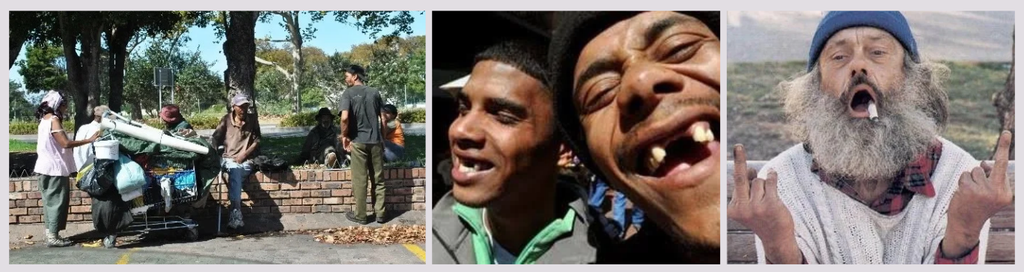
Armed with razor-sharp tongues, an impressive ability to spot life’s ironies and absolutely no hesitation in pointing them out, some could give professional comedians a run for their money.
They’re not generally organised gangs, although with the way crime is going, perhaps some have started taking the occasional freelance assignment.
One of my favourite things about walking down Cape Town’s famous Long Street was the running commentary from street vendors.
I once passed a Bergie selling mangoes, shouting at the top of his lungs:
“Mangoes! Mangoes! Wherever the man goes, the woman goes!”
Marketing genius. No business degree required.
Another was selling one of those notoriously trashy newspapers, famous for its Page Three pictures of scantily clad women.
“Koerant! Koerant! Vir dié wat nie kan lees nie, kan prentjies kyk!”
Translation: “Newspaper! Newspaper! Those who can’t read can look at the pictures!”
A brutally honest sales pitch. At least he understood his target market.
Of course, behind the humour lies the much harsher reality of poverty, addiction, displacement and homelessness. The term Bergie itself can also be considered derogatory.
But Cape Town has always had a particular talent for finding humour in the most unlikely places. And some of its sharpest social commentators have never set foot on a stage. They’ve been standing on a street corner, selling mangoes and telling the rest of us exactly how ridiculous we are.
Taxi – South Africa’s Most Terrifying Form of Public Transport
In South Africa, a taxi does not mean a nice private car that arrives when you summon it through an app. Oh no. We have something far more adventurous.
The minibus taxi.
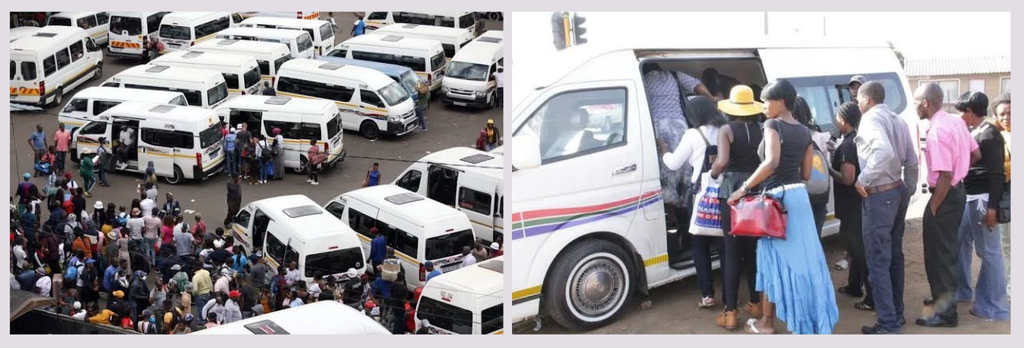
According to our government, these shared vehicles typically carry around 15 passengers. However, every South African knows the actual capacity is closer to 22 people, a chicken and a fridge.
You see, unlike Germany, we don’t have a wonderful network of U-Bahns, S-Bahns and trams connecting every corner of the country. For millions of South Africans, reliable public transport is more of an aspiration than a reality.
So the minibus taxi industry stepped in to fill the gap. An informal system that became an indispensable part of everyday life.
And thank God it did, because without it, millions of people would have no practical way of getting to work.
Now, today’s taxis are generally a considerable improvement on the ones I remember growing up with.
Back then, some were held together with duct tape and blind optimism.
Cable ties were considered a technological upgrade that came much later.
True story: I once caught a taxi in KwaZulu-Natal, travelling through the spectacular Valley of a Thousand Hills.
As I settled into my seat, I looked down and realised I could see the tar road rushing past my feet through a rusted hole in the floor.
Wonderful.
Nothing quite prepares you for watching the road disappear beneath your shoes while your driver navigates hairpin bends at what feels like 180 km/h.
At this point, it’s best to summon ALL your ancestors. Even the ones you’ve never met. You need everyone on duty.
And then there’s the cost.
Government descriptions often refer to taxi fares as relatively affordable.
Affordable for whom, exactly?
For low-income South Africans, transport can consume a shocking proportion of their wages. Some domestic workers spend a quarter or more of their monthly income simply travelling to and from work.
Imagine spending such a large chunk of your salary just for the privilege of arriving at your job.
And let’s not forget our magnificent railway adventures.
South Africa famously ordered a fleet of locomotives that turned out to be too tall for parts of the railway network.
I kid you not.
We managed to buy trains that had problems fitting into our own railway infrastructure.
You couldn’t make this stuff up. Even our trains were overqualified for the job.
Meanwhile, vandalism, theft and years of mismanagement have left large sections of the passenger rail network struggling.
The minibus taxi industry grew partly in response to the deeply unequal transport system created under apartheid, when Black South Africans were forced to live far from many places of employment.
And that legacy continues today.
Millions still rely on minibus taxis because they have few practical alternatives.
So, for many South Africans, taking a taxi is simply part of everyday life.
It gets you to work. It gets you home. It keeps the economy moving.
And, perhaps most importantly, it ensures that you will never completely give up believing in whichever god you’ve chosen.
Because some journeys require divine intervention.
Diketo
Before children had iPads, PlayStations and the ability to bankrupt their parents through in-app purchases, they had something far more sophisticated.
Stones.
Yes, actual stones.
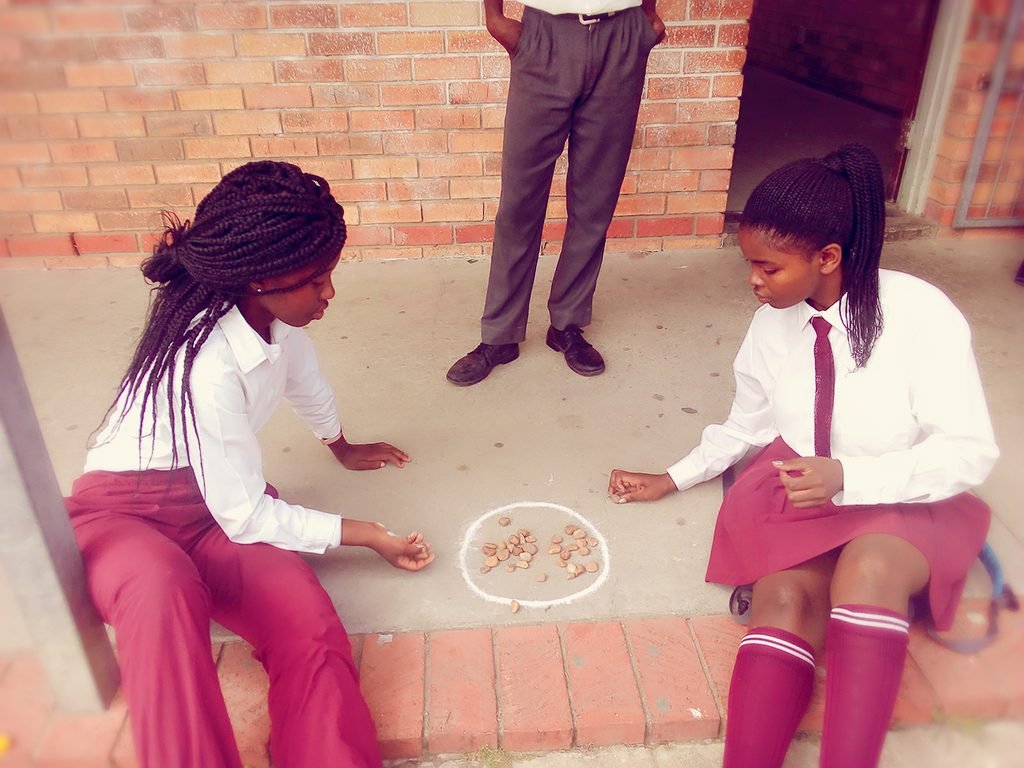
Diketo is a traditional children’s game played with small stones or pebbles, particularly in South Africa and neighbouring countries.
The game is somewhat similar to jacks.
Players toss a stone into the air while quickly collecting or moving other stones before catching the first one.
It requires coordination, concentration, fast reflexes and a surprising amount of skill.
Traditionally, children could play with little more than a handful of stones and a small hole in the ground.
Cost of equipment? Absolutely nothing.
Batteries required? None.
Internet connection? Not necessary.
Subscription fees? Also none.
Honestly, the business model is terrible.
But games like Diketo are an important part of South Africa’s cultural heritage. They connect generations through shared experiences and traditions.
And they remind us that children were perfectly capable of entertaining themselves long before we started paying €400 for gaming consoles.
Although, to be fair, children back then probably also fought over whose turn it was.
10. Heritage Day: Finally, Something We Can All Agree On
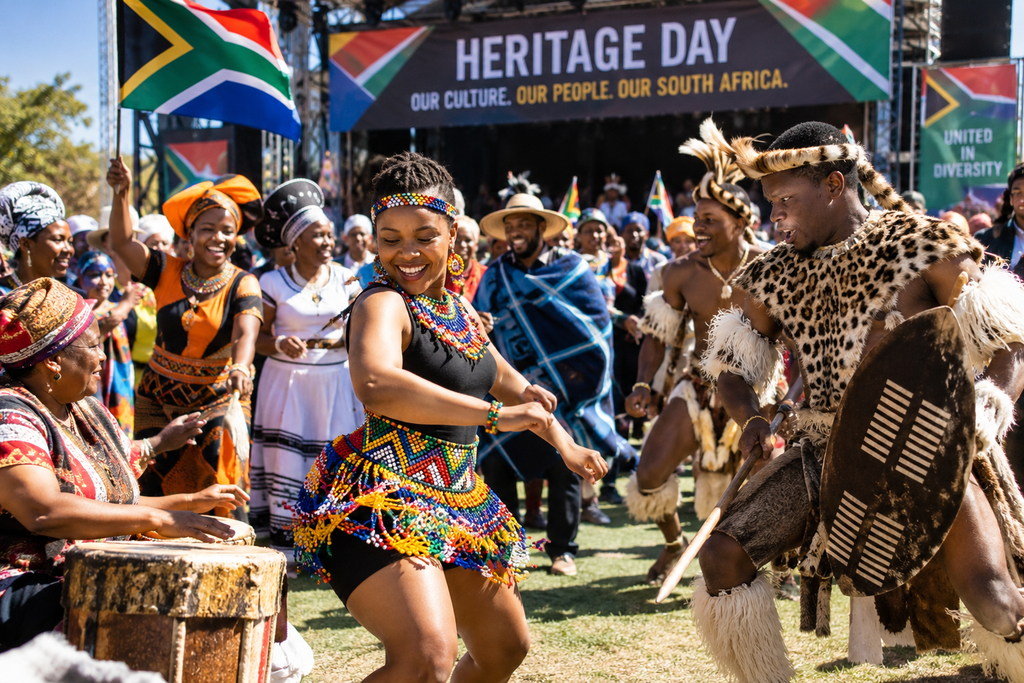
Every year on 24 September, South Africa celebrates Heritage Day.
It’s a public holiday dedicated to recognising the many cultures, languages, traditions and histories that make up our wonderfully complicated nation.
People may wear traditional clothing, prepare cultural dishes, attend celebrations or spend time with their families.
But South Africans, being South Africans, also managed to turn Heritage Day into something else.
Braai Day.
Of course we did.
Give South Africans a national holiday celebrating cultural identity and somehow we’ll find a way to involve an open fire, a large quantity of meat and several hours of arguing about the correct way to cook boerewors.
For international readers, a braai is similar to a barbecue.
Except that calling it a barbecue in front of a South African is a fantastic way to start an argument.
A braai is not simply a cooking method. It’s practically a social institution.
Someone will insist that the meat isn’t ready. Someone else will offer unsolicited advice about the fire. The children will be running around barefoot. And the person officially responsible for cooking will probably have had three beers before putting anything on the grid.
And yet, there is something rather wonderful about it.
Because beneath all the jokes, Heritage Day carries real significance.
Colonialism and apartheid marginalised indigenous languages, spiritual beliefs and cultural identities for generations.
Heritage Day offers South Africans an opportunity to celebrate the traditions that survived, recognise the histories that shaped us and appreciate the country’s extraordinary diversity.
We may disagree on politics, religion, rugby, the economy and practically everything else.
But bring out the braai, and for a few glorious hours, we might just manage to get along.
Unless someone burns the wors.
Then all bets are off.
Final Thoughts: The Importance of Remembering
South Africa is an impossible country to explain.
It’s beautiful and brutal. Generous and deeply unequal. Joyful and heartbreaking. A country of enormous contradictions, where tradition and modernity exist side by side, sometimes peacefully and sometimes with considerable shouting.
We have a history that is painful to confront, a present that often tests everyone’s patience and a future that remains wonderfully, frustratingly uncertain.
And still, I love it.
I love our languages, our food, our music, our ridiculous sense of humour and the extraordinary resilience of the people who call South Africa home.
I love that we can make jokes about almost anything, even when the reality behind those jokes is deeply uncomfortable.
Sometimes especially then.
But humour doesn’t erase history.
And neither does time.
As a white South African with Dutch roots, I’m still working out what it means to belong to a country whose history has treated its people so unequally.
Perhaps that’s part of why stories like The Yearning matter.
They ask us to think about the things we inherit. Our families, our beliefs, our traditions, our privileges, our wounds and the stories that shaped us long before we were born.
And they remind us that belonging isn’t always straightforward.
Sometimes we have to look backwards to understand where we are.
Sometimes we have to question things we’ve been taught.
And sometimes we have to acknowledge that we are carrying pieces of a history we never fully understood.
Our past is not always something we leave behind. Sometimes it is something we carry with us, whether we like it or not.
Happy reading!
And if this book leaves you with complicated feelings about South Africa, don’t worry.
That’s pretty much how most of us feel about it too.



Thanks Lillian. Reading this made me realize how you reflect your country’s rich cultural heritage. You are as vibrant and colorful as the South Africa you describe.